
Product Description
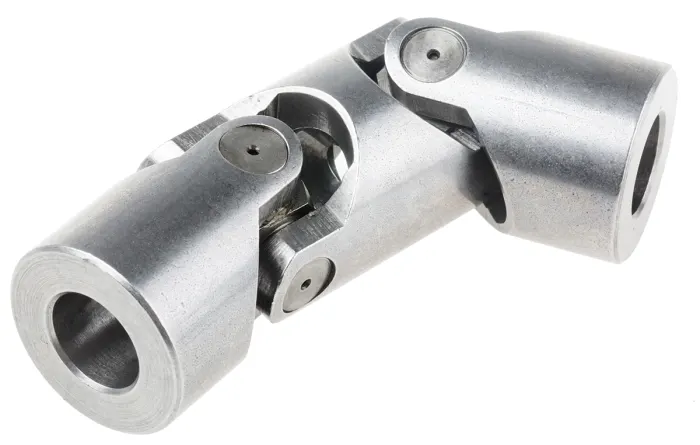
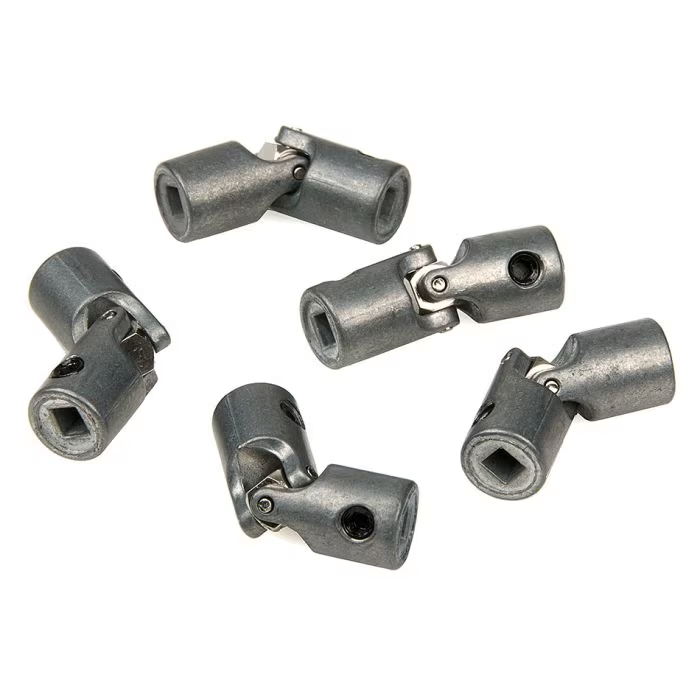
We are 1 of the leading of universal joint manufacturer in China. Our factory has developed and produced more than 1 hundred kinds of u-joints which used for Japanese, American and European vehicle, engineering machinery and heavy earth moving equipment, agricultural machinery. At present our products have been exported to U. S. A., Europe, South Asia and Africa and can been used for TOTOYA, HODA, ISUZU, MITSUBISHI, CATERPILLAR, CHINAMFG and so on vehicle and machinery. If you are interested in our products I’ll send the detail information or samples to you.
| PART NO. | D(mm) | L (mm) |
| ZY571 | 13 | 38 |
| ZY571 | 14 | 39.5 |
| ZY1438 | 14 | 38 |
| ZY1538 | 15 | 38.1 |
| ZY1638 | 16 | 38.5 |
| ZY1641 | 16 | 41 |
| ZY1643 | 16 | 43 |
| ZY1847 | 18 | 47 |
| ZY1944 | 19 | 44 |
| ZY2044 | 20 | 44 |
| ZY2055 | 20 | 55 |
/* January 22, 2571 19:08:37 */!function(){function s(e,r){var a,o={};try{e&&e.split(“,”).forEach(function(e,t){e&&(a=e.match(/(.*?):(.*)$/))&&1
| Condition: | New |
|---|---|
| Color: | Natural Color |
| Certification: | Ts16949 |
| Structure: | Single |
| Material: | Alloy Steel |
| Type: | Cold Forging |
| Samples: |
US$ 0.74/Piece
1 Piece(Min.Order) | |
|---|
| Customization: |
Available
| Customized Request |
|---|
Can universal joints be used in marine and offshore applications?
Yes, universal joints can be used in marine and offshore applications. Here’s a detailed explanation:
Marine and offshore environments present unique challenges in terms of harsh operating conditions, exposure to saltwater, vibrations, and high torque requirements. Universal joints offer several advantages that make them suitable for use in these demanding applications.
1. Misalignment Compensation: Marine and offshore systems often require the transmission of rotary motion between misaligned shafts due to the dynamic nature of the environment. Universal joints excel at compensating for angular misalignment, allowing for smooth power transmission even when the shafts are not perfectly aligned.
2. Torque Transmission: Universal joints are capable of handling high torque loads, which is crucial in marine and offshore applications. They can efficiently transfer power between the main engine or motor and various equipment, such as propellers, winches, pumps, or generators.
3. Compact Design: Space is often limited in marine and offshore systems, and universal joints offer a compact design compared to alternative methods of transmitting motion between misaligned shafts, such as gearboxes or flexible couplings. This compactness allows for more efficient use of available space.
4. Corrosion Resistance: Marine and offshore environments are highly corrosive due to the presence of saltwater and other corrosive agents. Universal joints can be designed and manufactured using materials that exhibit excellent corrosion resistance, such as stainless steel or non-corroding alloys, to ensure long-term performance and reliability in these environments.
5. Sealing and Lubrication: Proper sealing and lubrication are critical in marine and offshore applications to protect the universal joint’s internal components from water ingress and corrosion. Specialized sealing mechanisms, such as lip seals or labyrinth seals, can be implemented to prevent water intrusion, while effective lubrication systems ensure smooth operation and reduce wear.
6. Shock and Vibration Resistance: Marine and offshore equipment are subjected to significant shock and vibration loads due to wave motion, vessel movement, or equipment operation. Universal joints are designed to withstand these dynamic forces and provide reliable power transmission in such conditions. The use of high-quality bearings, robust construction, and proper balancing contribute to their resilience against shock and vibration.
7. Customization: Universal joints can be customized to suit specific marine and offshore applications. Manufacturers can tailor the design and materials to meet unique requirements, such as high-speed operation, extreme temperature variations, or specific size constraints. Customization ensures that the universal joints are optimized for their intended use, maximizing their performance and reliability.
When utilizing universal joints in marine and offshore applications, it is crucial to consider factors such as load requirements, environmental conditions, maintenance procedures, and compliance with relevant industry standards and regulations. Regular inspection, maintenance, and proper lubrication are necessary to ensure the longevity and reliable operation of universal joints in these challenging environments.
In summary, universal joints can be effectively used in marine and offshore applications due to their ability to compensate for misalignment, handle high torque loads, compact design, corrosion resistance, sealing and lubrication capabilities, shock and vibration resistance, and customization options. The selection and design of universal joints should consider the specific requirements and challenges associated with marine and offshore environments to ensure optimal performance and reliability.
What materials are commonly used in the construction of universal joints?
Universal joints are constructed using various materials that provide strength, durability, and resistance to wear and fatigue. Here’s a detailed explanation:
The choice of materials for universal joints depends on factors such as the application, load requirements, operating conditions, and cost considerations. Here are some commonly used materials:
- Steel: Steel is one of the most common materials used in universal joint construction. Alloy steels, such as 4140 or 4340, are often employed due to their high strength, toughness, and resistance to wear and fatigue. Steel universal joints can withstand heavy loads and harsh operating conditions, making them suitable for various industrial applications.
- Stainless Steel: Stainless steel is chosen for universal joints when corrosion resistance is a critical requirement. Stainless steel alloys, such as 304 or 316, offer excellent resistance to rust, oxidation, and chemical corrosion. These joints are commonly used in applications where exposure to moisture, chemicals, or harsh environments is expected.
- Cast Iron: Cast iron is occasionally used in universal joints, particularly in older or specialized applications. Cast iron provides good strength and wear resistance, but it is generally heavier and less flexible than steel. It may be used in specific situations where its properties are advantageous, such as in large industrial machinery.
- Aluminum: Aluminum universal joints are utilized when weight reduction is a priority. Aluminum alloys offer a good balance of strength and lightweight properties. These joints are commonly found in applications where weight savings are crucial, such as aerospace, automotive, or robotics.
- Bronze: Bronze is sometimes used for bearings or bushings within universal joints. Bronze alloys provide good wear resistance, low friction, and the ability to withstand high temperatures. They are often employed in applications where self-lubricating properties and resistance to galling are required. Bronze bearings can be found in universal joints used in heavy machinery, marine equipment, or agricultural machinery.
It’s worth noting that the specific choice of materials may vary depending on the manufacturer, application requirements, and industry standards. Different combinations of materials may also be used for different components within a universal joint, such as the yokes, crosses, bearings, or seals, to optimize performance and durability.
In summary, universal joints are commonly constructed using materials such as steel, stainless steel, cast iron, aluminum, and bronze. The selection of materials depends on factors like strength, durability, wear resistance, corrosion resistance, weight considerations, and specific application requirements.
Are there different types of universal joints available?
Yes, there are different types of universal joints available to suit various applications and requirements. Let’s explore some of the commonly used types:
- Single Joint (Cardan Joint): The single joint, also known as a Cardan joint, is the most basic and widely used type of universal joint. It consists of two yokes connected by a cross-shaped center piece. The yokes are typically 90 degrees out of phase with each other, allowing for angular displacement and misalignment between shafts. Single joints are commonly used in automotive drivelines and industrial applications.
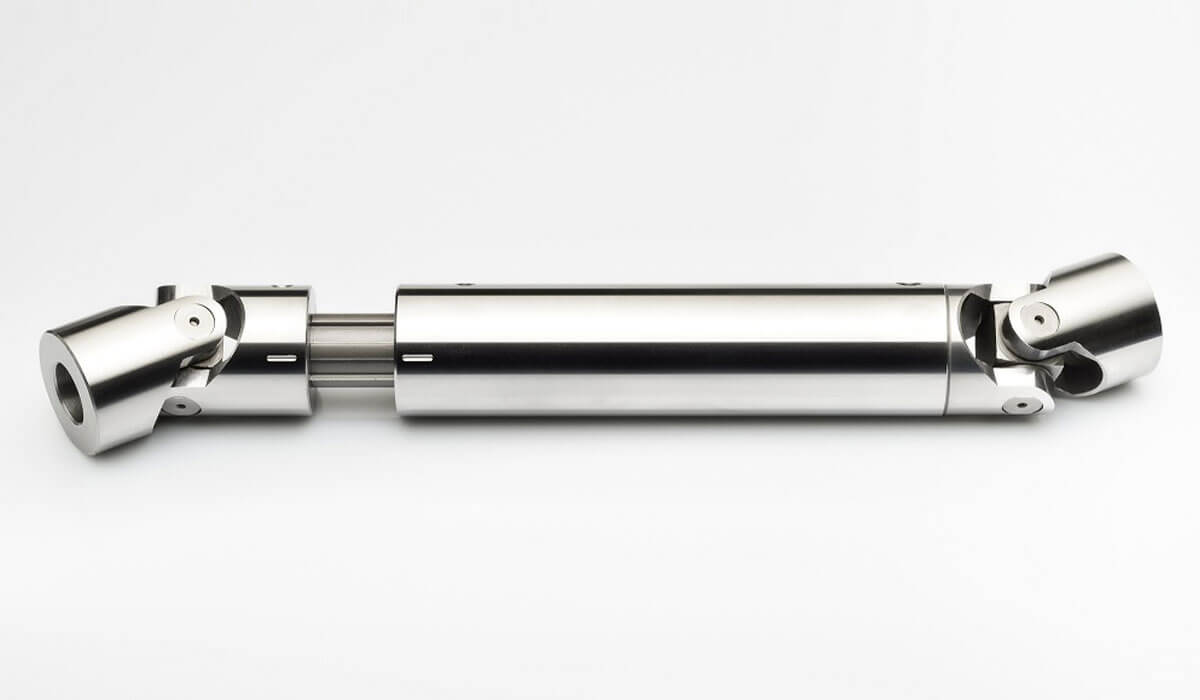
- Double Joint: A double joint, also referred to as a double Cardan joint or a constant velocity joint, is an advanced version of the single joint. It consists of two single joints connected in series with an intermediate shaft in between. The use of two joints in series helps to cancel out the velocity fluctuations and reduce vibration caused by the single joint. Double joints are commonly used in automotive applications, especially in front-wheel-drive vehicles, to provide constant velocity power transmission.
- Tracta Joint: The Tracta joint, also known as a tripod joint or a three-roller joint, is a specialized type of universal joint. It consists of three rollers or balls mounted on a spider-shaped center piece. The rollers are housed in a three-lobed cup, allowing for flexibility and articulation. Tracta joints are commonly used in automotive applications, particularly in front-wheel-drive systems, to accommodate high-speed rotation and transmit torque smoothly.
- Rzeppa Joint: The Rzeppa joint is another type of constant velocity joint commonly used in automotive applications. It features six balls positioned in grooves on a central sphere. The balls are held in place by an outer housing with an inner race. Rzeppa joints provide smooth power transmission and reduced vibration, making them suitable for applications where constant velocity is required, such as drive axles in vehicles.
- Thompson Coupling: The Thompson coupling, also known as a tripodal joint, is a specialized type of universal joint. It consists of three interconnected rods with spherical ends. The arrangement allows for flexibility and misalignment compensation. Thompson couplings are often used in applications where high torque transmission is required, such as industrial machinery and power transmission systems.
These are just a few examples of the different types of universal joints available. Each type has its own advantages and is suitable for specific applications based on factors such as torque requirements, speed, angular displacement, and vibration reduction. The selection of the appropriate type of universal joint depends on the specific needs of the application.


editor by CX 2024-05-10